Lifelong Connection Through Neartown Recovery's Alumni Program
Recovery doesn’t end when your treatment program does, and the need for ongoing connection stays strong long after discharge. Your wellness has a permanent partner in Neartown Recovery, 1250 Old Soldier Creek Rd, Kirksey, KY 42054. We’re ready whenever you need a familiar face, a conversation, or a reminder that you belong.
The alumni community works as a safety net, catching hard days before they grow into setbacks. Having a local base for recovery means familiar people and places are never far away when life gets heavy. Call (270) 489-2594 to ask our admissions team about the ways you can stay involved with our recovery support network after completing your initial program.

Life After Treatment With Peer Support
Staying connected to people who understand recovery makes everyday life steadier. Through Neartown Recovery, individuals in recovery connect with others who have walked a similar road, so shared experience becomes a source of strength instead of something you carry alone. Hearing someone say they have felt what you feel builds trust fast, and that trust grows into real friendship.
A sober social circle gives weekends, milestones, and ordinary Tuesdays a different feel. Friends who know your goals celebrate each of your recovery milestones with you and notice when something seems off, which creates accountability that feels like care instead of pressure. Every anniversary becomes a shared win. Contact us to verify your insurance for ongoing Kirksey, KY, recovery services and join a community that understands.
Accessing Care at Our Kirksey, KY, Facility
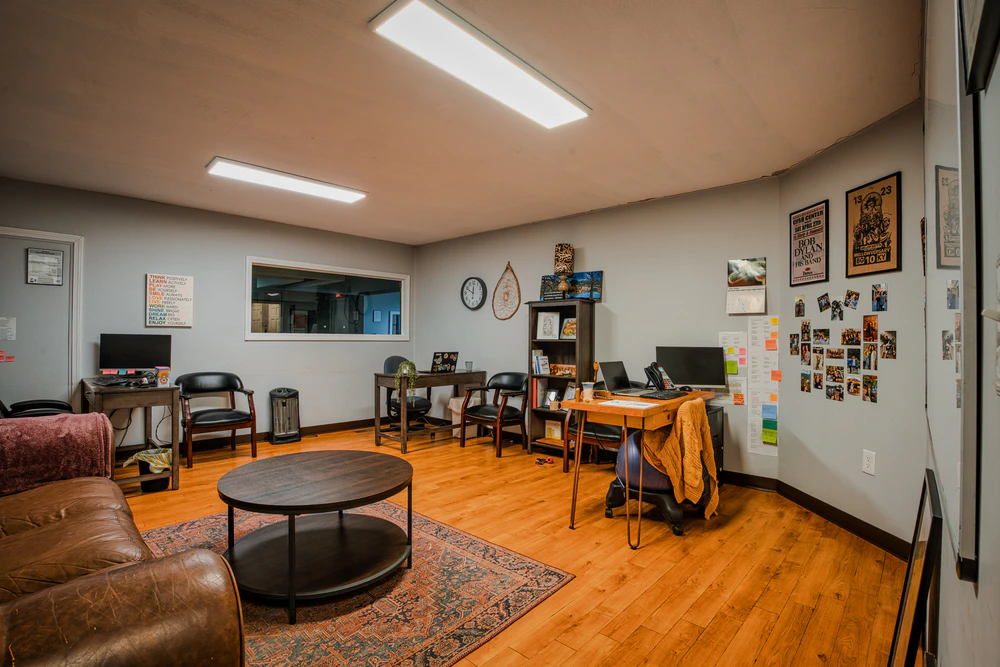
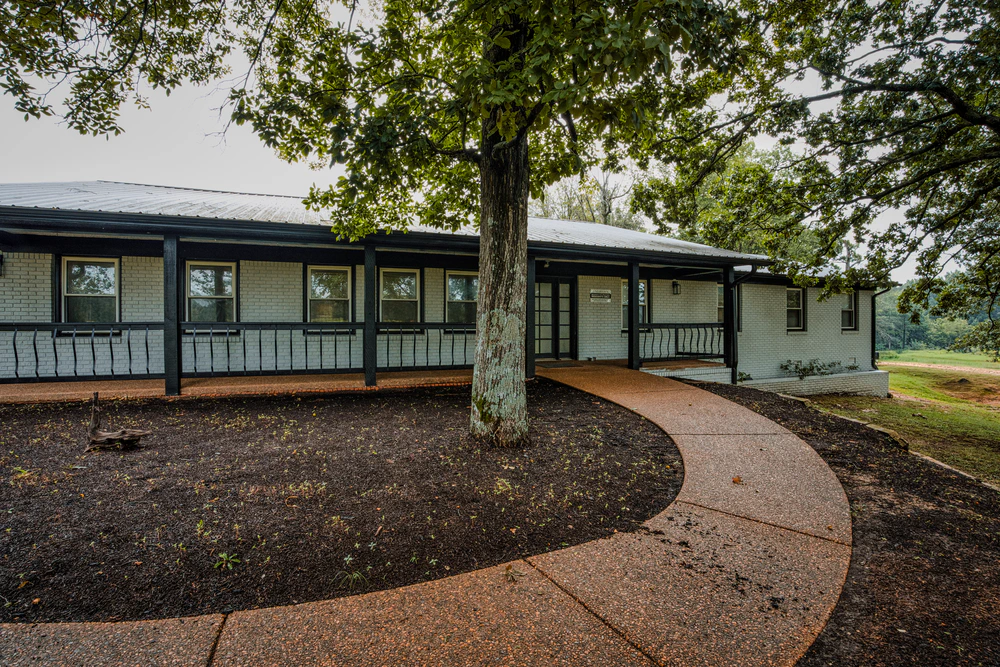
Neartown Recovery alumni are always welcome at our facility, which is rooted in the community. After you complete addiction treatment in Kirksey, you can stop by to see familiar faces, check in with staff, or simply sit somewhere that feels like home. Our team is approachable, and a conversation with us is never far away.
Neartown Recovery connects alumni, families, and neighbors with local services, community events, and recovery-minded people. Staff members are always reachable by phone or in person, so questions get answered quickly and check-ins stay easy to schedule whenever you need them. Reach out to our admissions team at (270) 489-2594 to schedule a free assessment and discuss your long-term recovery plan.
Looking for a community that supports you through your recovery journey? Neartown Recovery is here to help
Completing a program is a major milestone, but lasting recovery is built day by day, and you don’t have to keep going alone. Our alumni program connects you with peers, events, and ongoing support long after discharge. Call (270) 479-0468 or complete the form below to learn how to join.

The Clinical Importance of Aftercare for Sustained Sobriety
Why does staying connected after treatment matter? Research points to a reason. A systematic review in Frontiers in Psychology found peer support in recovery can reduce substance use and recurrence while improving treatment retention. Substance use disorder aftercare keeps people in recovery linked to trained staff and peers when life tests your new habits.
A 2025 study in the Journal of Behavioral Health Services & Research found that clients who received more peer services rated their relationship with their specialist higher, and higher self-efficacy went hand in hand with less alcohol use at follow-up. If you’re worried about transitioning back to life after treatment and sustaining sobriety, contact Neartown Recovery and talk with our team about staying connected through our long-term recovery community.
The Role of Accountability in Wellness
Accountability turns good intentions into steady habits. When someone expects to see you at a meeting, a call, or a community event, showing up becomes easier, even on days when motivation runs low. Building a sober network and being known by others in recovery makes your goals feel shared instead of private.
Recovery accountability works best when it feels like care. The staff and peers at Neartown Recovery notice patterns, ask honest questions, and celebrate progress alongside you, whether that means 30 days, 1 year, or a hard week handled well. Research on peer recovery services links receiving more peer services to greater self-efficacy, the belief that you can manage your own recovery. Staying connected after rehab builds that belief, one honest day at a time.
Frequently Asked Questions
Questions are a natural part of life after treatment, and wanting clear answers shows you take recovery seriously. The following answers address the questions alumni and families ask Neartown Recovery most often. Every situation is different, so read through the answers below with your circumstances in mind, and keep asking questions along the way.
- How do I join the alumni network at Neartown Recovery? Joining starts with a conversation. Reach out to our team after completing your KY recovery program, and staff will explain the ways to get involved with fellow alumni.
- Is there a cost associated with staying connected to the program? Costs depend on the type of ongoing post-treatment support you choose to take part in. Contact our admissions team for details so you know what to expect before you commit.
- Can I access ongoing care if I didn’t complete my primary treatment in Kirksey, KY? Reach out to us today to talk through your situation. We’ll review where you completed treatment and explain which ongoing services may fit.
- How does peer connection prevent a return to use? Peers who understand recovery offer accountability, encouragement, and a place to be honest on hard days.
- What should I do if I feel my recovery is at risk? Reach out right away, before a hard moment grows. Contact a trusted person in your recovery circle or the Neartown Recovery team to talk through what’s happening. If you are in immediate danger, call 911.
- How does Neartown Recovery assist with insurance verification for ongoing care? Our admissions team reviews your health insurance coverage with you and explains what your plan may cover for ongoing alumni program services. Contact us today to start a verification and get answers before you decide on next steps.
Research and Statistics on Support After Treatment
- In a study in the Journal of Behavioral Health Services & Research, peer-based recovery support was linked to lasting self-efficacy gains: clients who received more peer recovery specialist services reported a higher sense of self-efficacy at follow-up, and one study cited in the paper found moderate to high attenders of peer-based support showed significant improvements in self-esteem and self-efficacy over time.
- According to Mental Health America, peer support can cut the overall cost of mental health care by lowering re-hospitalization rates and reducing the number of days spent in inpatient care.
- People who received planned long-term treatment or support were 23.9% more likely to abstain or drink moderately than those who received shorter, standard treatment, according to research in Social Science & Medicine.
- Just 6% of people who need substance use disorder treatment get into care, and 40% to 60% relapse within a year after treatment, which shows how much ongoing peer connection matters beyond formal care, according to Scientific Reports.
- Among people in early recovery (under 6 months at baseline), only 42.4% were still abstinent at the 1-year follow-up, the lowest rate of any recovery-stage group, which shows how vulnerable the first months after treatment are to relapse, according to Substance Use and Misuse.
Residential Treatment Admissions
Neartown’s evidence based, person centered, twelve-step program fosters a strong, vibrant community that is essential to addiction recovery. Neartown’s dedicated staff can help guide you on a path you never dreamed possible and help you develop a firm footing for long-lasting recovery!
Licensed & Accredited Addiction Treatment