Navigating Sober Living in Kentucky: A Comprehensive 2026 Resource Guide
Finding stable housing after treatment often determines whether your recovery gains last. Sober living homes across Kentucky create substance-free spaces where you can build accountability and independence while transitioning back into daily routines. Neartown Recovery in Kirksey can help you take that next step toward lasting stability.
Safe housing for individuals in recovery gives you space to practice new routines, from managing responsibilities to rebuilding relationships, without the pressures of returning home too soon. Kentucky residents at Neartown Recovery benefit from peer accountability, shared expectations, and a calm setting suited to steady progress. Each day allows you to build toward independence and confidence that carries beyond the house itself. Call (270) 489-2594 to learn how transitional living communities can fit your next chapter and schedule a free assessment.
Recovery Support and Transitional Guidance at Neartown Recovery
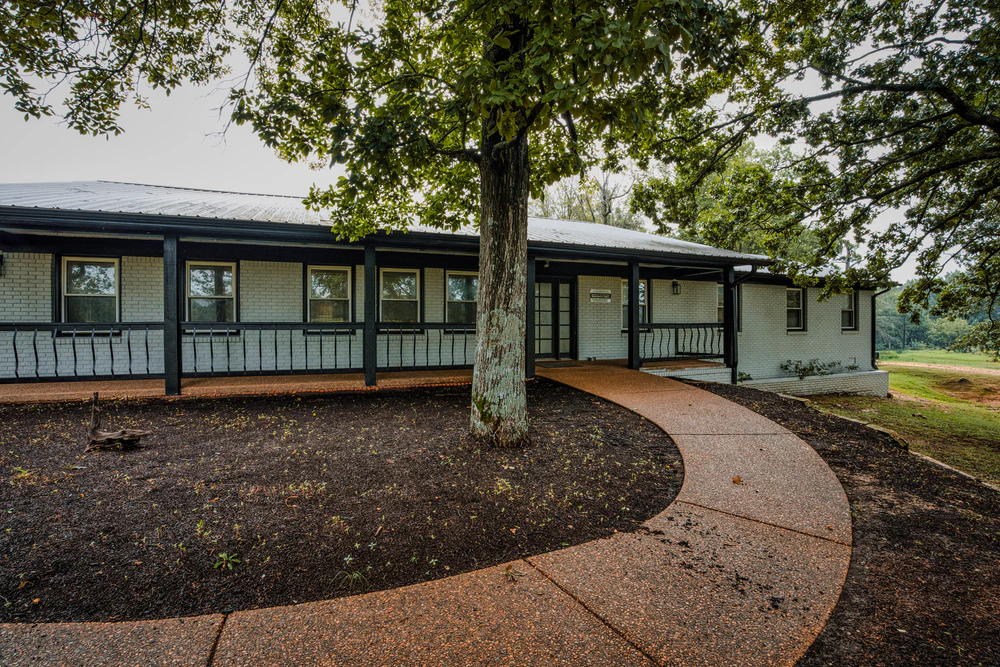
Neartown Recovery, 1250 Old Soldier Creek Rd, Kirksey, KY 42054, stands as a cornerstone of the local recovery community. Stepping down from high-intensity treatment can feel unsteady, and this stage calls for a steady, welcoming environment where you can settle into daily life again.
Staying rooted in Western Kentucky matters during early recovery, since familiar surroundings and nearby family ties often steady your footing once treatment ends. Distance from home can add strain at a time when consistency matters most, and Calloway County offers a grounded setting close to what you know. If you’re weighing a calm, steady setting for your next phase of recovery, contact us to start the conversation.
Accessing Recovery Resources at Our Kirksey, KY, Facility
Finding safe, substance-free recovery housing in Kentucky can feel overwhelming after treatment, and Neartown Recovery works to ease that uncertainty. Our staff members meet you as an individual first, coordinating next steps that fit your circumstances rather than using a one-size-fits-all plan.
Sitting within the Kentucky Recovery Housing Network landscape, our Kirksey facility gives you a known, vetted resource in a field that can otherwise feel confusing to sort through alone. We walk alongside you as you weigh your next move, answering questions about daily expectations and what substance-free living actually looks like. When you contact us, mention “insurance verification” so our team can check how your health plan coverage may offset recovery-related costs.
Why Location Matters for Long-Term Sobriety
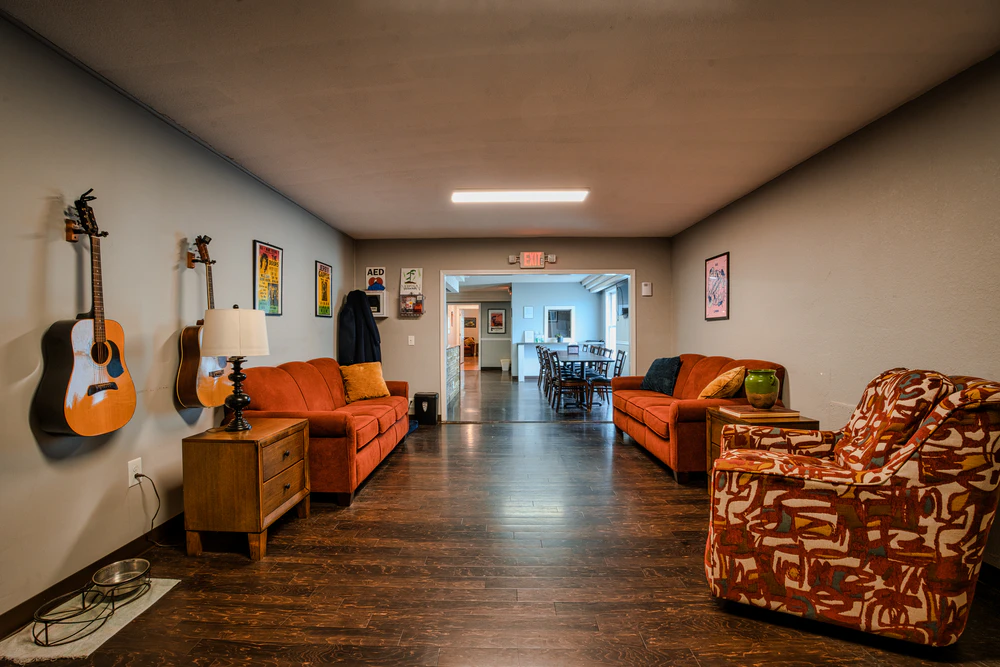
Choosing transitional housing in Kirksey, KY, places you in a setting built around consistency rather than upheaval. Small-town surroundings, steady routines, and distance from previous triggers give early recovery room to take hold; your family connections are also within reach.
Familiar landscapes tend to settle the mind during a stage when so much still feels unsettled. Recovery calendars filled with new commitments become easier to manage when the physical distance between home and treatment stays short. Neighbors, employers, and family members within driving range make reintegration steadier, since old relationships can rebuild gradually instead of all at once. Staying local also means fewer disruptions to work schedules, medical care, or court obligations already in motion.
The 2026 Landscape of Kentucky Recovery Housing Standards
Recovery residences in Kentucky follow standards set by the Kentucky Recovery Housing Network (KRHN) and the National Alliance for Recovery Residences (NARR). These groups define 4 residence types referred to as “levels” or “levels of support,” differentiated by the intensity of staffing, governance, and recovery support services. This framework gives you a way to evaluate a home’s quality in 2026.
Level I recovery housing, or peer-led recovery housing, is a democratically governed, alcohol- and illicit substance-free home that relies on house guidelines and peer accountability. Level IV Type C (Clinical) residences sit at the other end, combining supervised peer and professional staff to offer treatment services alongside peer-based recovery support and life skills development.
KRHN-certified residences meet criteria covering a code of ethics, honest and transparent operations, quality of the residential environment, and access and choice in housing. Kentucky also maintains a formal Statement of Residents’ Rights outlining your protections and avenues for filing a grievance. Reach out today to ask what level of care Neartown Recovery provides for your stage of recovery.
Get in Touch With Neartown Recovery to Learn More About Sober Living Resources in Kentucky
Sober living in Kentucky can provide a supportive, structured environment for people transitioning toward independent recovery. At Neartown Recovery, we’re here to help you explore your options and find resources that fit your goals. Fill out the form below or Call (270) 479-0468 to speak with our admissions team to get started.

Evaluating Cost and Insurance for Recovery Residences in Kentucky
Funding a stay in sober living in Kentucky usually comes down to two paths: paying directly or using your insurance. Insurance coverage differs widely between plans and providers, and coverage for recovery housing isn’t guaranteed, so it’s crucial that you confirm your benefits before admission.
Even a familiar plan may cover a different portion of sober living costs. Call Neartown Recovery at (270) 489-2594 today for a no-obligation insurance verification.
Residential Treatment Admissions
Neartown’s evidence based, person centered, twelve-step program fosters a strong, vibrant community that is essential to addiction recovery. Neartown’s dedicated staff can help guide you on a path you never dreamed possible and help you develop a firm footing for long-lasting recovery!
FAQs About Kentucky Sober Living
Questions about post-treatment housing in KY tend to cover the same ground: location, cost, standards, and what daily life actually looks like once you move in. Below are answers to the questions most often asked about Neartown Recovery and recovery housing across the Commonwealth.
- Where is Neartown Recovery? Neartown Recovery is at 1250 Old Soldier Creek Rd, Kirksey, KY 42054.
- Does Neartown Recovery accept insurance for its programs? Yes. Call for insurance verification to confirm what your plan covers before admission.
- What are the standards for recovery housing in Kentucky in 2026? KRHN and NARR standards in Kentucky define 4 levels of care based on staffing intensity and services offered.
- How do I know if a house is part of the Kentucky Recovery Housing Network? Certified residences may display the KRHN logo on communication materials, indicating adherence to statewide ethics, safety, and quality standards.
- Are there recovery resources available in Calloway County? Neartown Recovery serves as a Calloway County recovery resource, connecting you to housing and long-term recovery support in KY.
- What should I bring when transitioning to a recovery residence? Most homes ask your to bring identification, personal hygiene items, weather-appropriate clothing, and any current medications in their original packaging.
Kentucky Substance Use and Recovery Statistics
- The Kentucky Chamber Center for Policy and Research estimated that 266,000 Kentucky adults met substance use disorder criteria in 2019.
- In Kentucky, 28,452 people enter drug rehab annually, per the National Center for Drug Abuse Statistics.
- Healthy Kentucky reports that men made up 66.9% of the 25,428 Kentucky residents who enrolled in alcohol and drug rehab in 2010.
- A 2023 report from the Kentucky Office of Drug Policy and Kentucky Agency for Substance Abuse Policy found that treatment bed capacity across the state grew by 50% since 2019.
- A 2025 study cited in a thesis at Eastern Kentucky University found residents most often left sober living houses to pursue better housing (independent living or living with family/friends, linked to more favorable recovery outcomes), followed by leaving to escape problems like conflicts or relapse, with only about 16.8% citing inability to afford costs as their reason.
Contact Our Expert Led Team
Begin to Start the Next Step of Your Journey Towards Sober Living With Neartown Recovery
Take the mystery out of finding sober living in Kentucky. Reach out to Neartown Recovery at (270) 489-2594 today for a confidential discussion about our Kirksey facility and how we can support your long-term wellness.
Licensed & Accredited Addiction Treatment