Residential Addiction Treatment Program in Kentucky
Neartown’s residential addiction treatment in Kentucky provides 24/7 care in a supportive living environment that’s designed to encourage long-term recovery and personal growth. We also accept commercial insurance and Medicaid, making professional care more accessible for men in Kentucky.
We offer comprehensive services for substance abuse as well as dual-diagnosis treatment. You receive an individualized plan that addresses your mental health and substance use challenges to create a strong foundation for lasting change. Neartown combines evidence-based practices with compassionate support to guide you through recovery. Call (270) 489-2594 for more information on residential addiction treatment in Kentucky and to schedule a free assessment.
What Is a Residential Addiction Treatment Program in Kentucky?
A residential treatment program in Kentucky gives you the chance to live full-time at a recovery residence while receiving structured care for substance use. In this setting, you stay in a supportive living environment where professionals provide 24/7 care, monitoring your progress. This approach helps you step away from triggers and distractions.
Residential substance abuse treatment often includes therapy, medical support, and education about relapse prevention. You may also take part in dual-diagnosis services if you’re dealing with substance use as well as mental health issues. With live-in treatment, you gain consistent support, accountability, and skills that strengthen your foundation for lasting recovery.

Ready to Start Residential Rehab? Contact Us Today
Looking for a residential rehab program in Kentucky? Neartown Recovery offers compassionate, no-pressure admissions to help you enter safe, 24/7 care. Send the form, and an admissions specialist will quickly verify insurance, explain levels of care, and schedule a pre-admission assessment. Prefer to talk now? Call (270) 489-2594. Your information is confidential and protected.

What Is a Residential Drug Rehab Program in Kentucky?
A residential drug treatment program in Kentucky places you in a full-time recovery setting where treatment professionals guide every stage of your healing process. Instead of commuting for appointments, you live at a residential rehabilitation center like Neartown and follow a structured daily schedule that combines counseling, medical care, and skill-building activities.
While enrolled in residential drug treatment, you receive consistent support tailored to your needs, whether that involves individual therapy, support groups or help with co-occurring mental health concerns. The goal is to create a safe and stable environment where you can rebuild routines, strengthen your coping skills, and prepare for life after your drug rehab treatment with more confidence and resilience.

What Is a Residential Alcohol Rehab Program in Kentucky?
Residential alcohol treatment in Kentucky offers you a place to live while receiving focused, round-the-clock care for alcohol use. Instead of navigating recovery on your own, you move into a supportive setting where experienced staff provide medical monitoring, therapy, and education about addiction. This full-time approach gives you the space to step away and focus on healing.
During your stay in residential alcohol treatment in Kentucky, you participate in individual and group counseling, wellness activities, and relapse-prevention planning tailored to your situation. Alcohol addiction treatment in Kentucky also addresses underlying mental health concerns to strengthen your recovery. Living at Neartown allows you to practice new skills, rebuild healthy routines, and prepare for a sustainable, alcohol-free lifestyle.
Residential Treatment Admissions
Learning About Differences Between Residential Rehab and Other Program Options
Exploring addiction treatment can feel overwhelming, especially with so many options available. Understanding the differences between residential rehab and other types of programs helps you make informed choices about your recovery. By learning how residential treatment compares with outpatient treatment, partial hospitalization programs, intensive outpatient care, you can identify the level of support that best fits your needs and goals.
Differences Between Inpatient and Residential Treatment
Inpatient and residential drug treatment are similar in several ways. The main difference lies in the setting. Inpatient rehab typically occurs in a hospital setting, where you receive intensive medical supervision for acute or complex medical needs. This approach is often used for detoxification or when your health requires constant monitoring by medical staff.
Residential treatment, on the other hand, places you in a non-hospital environment that still offers 24/7 care and structured support. In this setting, you live at a full-time recovery facility and participate in counseling, therapy, and recovery-focused activities that help you rebuild your life. Both options immerse you in a full-time recovery setting, but residential addiction programs generally feel less clinical and more like a supportive structured living community.
Differences Between Outpatient and Residential Treatment
Outpatient treatment lets you receive therapy and support while continuing your daily routines at home, offering flexibility but less constant supervision. Residential recovery, in contrast, immerses you in a live-in treatment environment where care is available around the clock. This full-time approach provides structure, removes distractions, and helps you focus on recovery without outside pressures.
Differences Between PHPs and Residential Treatment
Partial Hospitalization Programs (PHPs) let you attend intensive therapy during the day while returning home each evening, giving you flexibility but limited supervision. In-residence addiction treatment surrounds you with continuous support, helping you focus fully on recovery. This full-time care ensures consistent guidance, structured routines, and a safe space to build lasting coping skills.
Differences Between IOPs and Residential Treatment
Intensive Outpatient Programs (IOPs) provide several hours of therapy each week while you continue living at home, balancing recovery with daily responsibilities. Residential addiction programs, however, place you in a full-time, live-in environment where care and support are available around the clock.

Statistics on Inpatient Addiction Treatment in Kentucky
Kentucky demonstrates both significant demand for and notable capacity in residential rehab. Each year, about 2,548 people in the state enter non-hospital residential drug treatment programs, yet hundreds of thousands of adults still meet the criteria for substance use disorder without receiving needed care.
SAMHSA data show 110 facilities in the Bluegrass State provide non-hospital residential services, compared to 33 with hospital inpatient care. Nearly one in five Medicaid enrollees with a diagnosed substance use disorder received inpatient rehab or residential treatment in 2022, reflecting growing access. With 70.34 residential treatment beds per 100,000 residents — the highest per capita rate nationally — Kentucky’s system offers a broad base of support but still leaves gaps for people needing timely treatment.
Residential Addiction Treatment Program in Kirksey, Kentucky
Neartown Recovery has a residential substance abuse treatment facility in Kirksey, Kentucky, designed to provide full-time care and support in a structured, live-in environment. Our facility at 1250 Old Soldiers Creek Road, Kirksey, KY 42054, combines evidence-based therapies with compassionate guidance to help you focus on recovery.
We offer residential dual-diagnosis treatment and residential addiction treatment in Kentucky, giving you personalized treatment tailored to your needs. By living on-site, you benefit from 24/7 care, consistent routines, and a supportive therapeutic community that encourages long-term healing. Call (270) 489-2594 today for information about Neartown Recovery’s residential substance abuse treatment facility in Kirksey and to learn more about your insurance coverage.
What Addictions Are Treated at Residential Programs in Kentucky?
Holistic residential treatment in the Bluegrass State treats a wide variety of substance use disorders, providing structured support and round-the-clock care. These programs address both common and complex addictions, helping you manage cravings, develop coping strategies, and build a foundation for lasting recovery. Understanding the specific substances treated can help you identify the program that best meets your needs.
Inpatient Treatment for Alcohol Addiction
Inpatient treatment for alcohol addiction provides you with 24/7 medical care and structured support in a hospital or clinical setting. You receive individualized residential therapy, counseling, and monitoring to safely begin recovery. Living on-site allows you to focus entirely on healing, develop coping skills, and build a strong foundation for long-term sobriety.
Inpatient Treatment for Benzodiazepines (e.g., Xanax, Ativan, Valium)
Inpatient treatment for abuse of benzodiazepines, such as Xanax, Ativan, or Valium, gives you constant medical supervision. Staying full-time at an inpatient rehab facility ensures you receive personalized therapy, education, and support. This immersive environment allows you to focus on recovery, establish healthier routines, and address the physical and psychological aspects of dependence.
Inpatient Treatment for Opioids (e.g., Heroin, Opiate, Prescription Painkillers)
Inpatient opioid addiction treatment provides you with round-the-clock medical care and supervision for addiction to drugs like heroin, prescription painkillers, or other opiates. Living at the recovery residence allows you to receive 24/7 care and individualized counseling. This setting helps you focus on recovery, develop effective coping skills, and build a stable foundation for lasting freedom from opioid dependence.
Inpatient Treatment for Stimulants (e.g., Cocaine, Methamphetamine)
If you’re struggling with abuse of stimulants like cocaine or methamphetamine, treatment at a residential substance abuse treatment facility surrounds you with 24/7 support and professional guidance. Living full-time in this structured environment helps you build healthy routines, address underlying challenges, and focus on achieving lasting recovery.
Inpatient Treatment for Prescription Drugs
Receiving inpatient care for prescription drug misuse places you in a full-time, supervised environment where medical staff monitor your health. You engage in individualized residential therapy, support groups, and education to understand patterns of use. Intensive residential therapy lets you focus on recovery while building strategies for long-term sobriety and healthier habits.

Neartown’s evidence based, person centered, twelve-step program fosters a strong, vibrant community that is essential to addiction recovery. Neartown’s dedicated staff can help guide you on a path you never dreamed possible and help you develop a firm footing for long-lasting recovery!

Long-Term Residential Rehabs in Kentucky
Long-term residential care in Kentucky provides extended support if you’re seeking a deeper, more structured approach to recovery. These residential recovery programs offer consistent care, therapy, and skill-building over several months, allowing you to address underlying issues and develop lasting coping strategies. Understanding the length and focus of these programs can help you choose the best path for sustained sobriety.
30-Day Residential Program
A 30-day in-house rehabilitation program gives you an immersive environment in which to focus on recovery. During this time, you receive daily therapy, counseling, and support away from outside distractions. This concentrated approach helps you begin healing, develop coping skills, and gain tools to maintain sobriety once you return to everyday life.
60-Day Residential Program
A 60-day stay at a residential rehabilitation center provides you with an extended period of structured care and support in a live-in setting. By staying on-site, you have the time to participate in intensive therapy and address underlying issues contributing to your substance use. This program allows you to build stronger coping skills and establish routines that support lasting recovery.
90-Day Residential Program
A 90-day residential program is an environment where you can focus on recovery without distractions. Over three months, you engage in therapy, group sessions, and skill-building activities to address your addiction and any underlying challenges. This extended stay allows you to develop healthier habits and prepare more thoroughly for a successful transition back into everyday life.
6-Month, 12-Month, and 24-Month Residential Program
Extended in-residence addiction treatment programs lasting six, 12, or 24 months give you the time to fully immerse yourself in recovery. Living on-site, you receive ongoing therapy, life skills training, and support for both addiction and underlying mental health issues. Long-term residential care allows you to rebuild routines, strengthen resilience, and prepare thoroughly for sustained independence and lasting sobriety.
Short-Term Residential Programs in Kentucky
Short-term residential programs in Kentucky offer intensive support over a brief, focused period, helping you jump-start your recovery. These programs provide structured living, counseling, and guidance and allow you to step away from daily stressors. Understanding the options — from weekend stays to 21-day programs — can help you choose a program that fits your schedule and recovery needs.
Weekend Treatment Program
A weekend treatment program allows you to begin recovery without committing to a long-term stay. Over a few days, you participate in intensive therapy, group sessions, and counseling while living at the facility. This short, focused approach allows you to gain insight into your substance use and start building coping strategies.
3-Day, 5-Day, and 7-Day Program
A three-, five-, or seven-day residential program allows you to immerse yourself in recovery over a concise, structured period. During your stay, you engage in therapy, counseling, and support activities to address your immediate needs and begin developing healthier habits. This short-term approach gives you focused guidance while providing a safe space to start healing.
10-Day, 14-Day, and 21-Day Program
A 10-, 14-, or 21-day residential program offers you an intensive, short-term recovery experience. Living on-site, you receive daily counseling, therapy sessions, and support tailored to your needs. This focused timeframe allows you to address your substance use and gain tools for continued progress, all within a safe and structured therapeutic community.
Does Health Insurance Cover Residential Rehab in Kentucky?
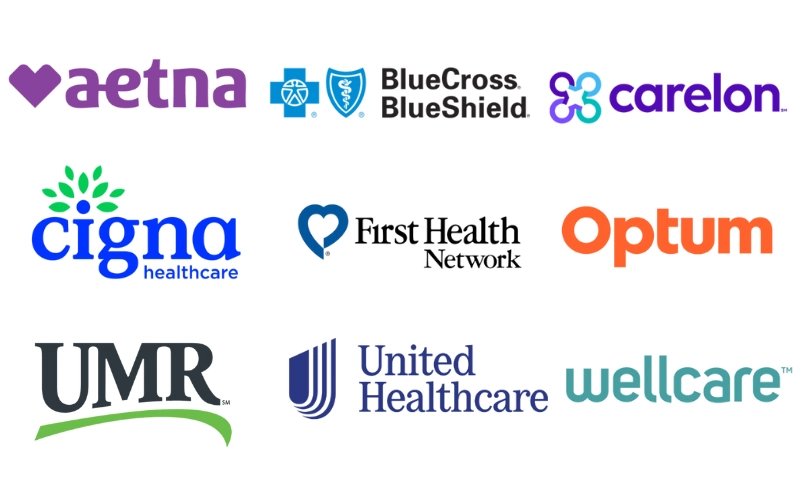
Insurance often helps cover the cost of residential rehab in Kentucky, making treatment more accessible and affordable. Depending on your plan, you may have coverage for holistic residential treatment or residential dual-diagnosis treatment. Residential rehab coverage varies based on the insurance you have and the specific services provided, so it’s important to confirm your benefits.
You can verify whether your plan includes residential care and learn about available options for Medicaid or commercial insurance by reaching out to Neartown. Understanding your rehab coverage can help you focus on your recovery without worrying about unexpected costs. Contact us to confirm your benefits and start your recovery today.
How Much Does Residential Treatment Cost Without Health Insurance Coverage?
Without health insurance, a 30-day residential program in Kentucky generally costs $15,000 to $18,000. The precise cost depends on the length of your stay, the level of care, and the services provided. If you need medical detox, you may face additional expenses, as safely managing withdrawal often requires specialized monitoring.
Even without insurance, many facilities, including Neartown, provide flexible payment options or guidance to make care more accessible. Understanding potential costs ahead of time allows you to plan for treatment without surprises.
Contact Our Expert Led Team
How Much Does Residential Treatment Cost With Health Insurance Coverage?
With health insurance, the cost of residential treatment in Kentucky is often significantly reduced, though exact coverage depends on your plan and benefits. Many plans cover a portion of a 30-day program, which can range from roughly $15,000 to $18,000. Additional services, such as medical detox, may increase your out-of-pocket expenses.
Insurance can make comprehensive care more accessible, allowing you to focus on your recovery rather than financial concerns. Verify your benefits directly with Neartown to understand your coverage.
What Is the Admissions Process for Residential Rehab at Neartown Recovery?
The admissions process at Neartown Recovery begins with a phone call or online inquiry, where you can discuss your needs, insurance coverage, and program options. A trained admissions specialist will guide you through each step, answering questions and helping you determine the best level of care for your situation.
Once you’re ready, you’ll complete an initial assessment to evaluate your substance use, mental health, and any co-occurring conditions. This information helps staff create a personalized treatment plan tailored to your recovery goals. After the assessment, you’ll be scheduled for intake and can prepare for your live-in program. Contact us to start the process today.
Frequently Asked Questions About Residential Treatment
Many people have questions when considering residential treatment. Understanding the details, from program length to costs and services offered, can help you make more informed decisions about your recovery. These frequently asked questions address common concerns, providing clarity on what to expect.
Do Rehab Programs Allow My Friends & Family to Visit?
Most residential treatment programs have structured visiting policies to balance support with your recovery needs. Understanding these guidelines helps you plan meaningful interactions with family and friends while maintaining your focus on healing. Knowing when and how visits occur ensures loved ones can be a safe and positive part of your recovery.
Can I Take My Laptop or Cell Phone Into Treatment?
Policies on personal devices like laptops and cell phones vary by program, but restrictions are often in place to minimize distractions and support your focus on recovery. Knowing the rules ahead of time means you can prepare, stay connected when appropriate, and make the most of your time in treatment.
Will I Lose My Job for Going to a Residential Rehab Program?
Attending a residential rehab program can raise concerns about job security and time away from work. Many programs offer flexible scheduling or provide documentation to help protect your employment. Understanding your rights and planning ahead allows for a smoother transition into treatment while minimizing disruptions, ensuring recovery and career responsibilities can both be managed effectively.
Do Inpatient Treatment Programs Allow Access to WiFi?
Access to WiFi in inpatient treatment programs varies by facility. Some centers provide limited internet for educational or therapeutic purposes, while others restrict usage to help maintain focus on recovery. Understanding the program’s policy ahead of time ensures expectations are clear and helps balance connectivity with the full-time, structured environment necessary for successful treatment.
Can I Get Into Rehab Immediately?
Can I Get Into Residential Rehab Immediately?
Immediate access to residential rehab depends on program availability, your medical needs, and insurance verification. Some residential rehab facilities can admit you the same day, while others may require a brief wait. Knowing what information and documentation to have ready can speed up the process, allowing you to begin treatment quickly and start focusing on recovery without unnecessary delays.
Do Residential Rehab Centers Allow Pets?
Some residential rehab centers allow pets or provide animals as part of therapy. Neartown has animals on-site that play an integral role in treatment. Interacting with animals can support emotional healing, reduce stress, and enhance overall recovery. Understanding the program’s policies helps you know what to expect and how animals are incorporated into your residential experience.
Inpatient Rehab Statistics and Info in Kentucky
- Each year 2,548 clients enroll in non-hospital residential drug rehab services in Kentucky, according to the National Center for Drug Abuse Statistics.
- According to SAMHSA, 110 substance use treatment facilities offer non-hospital residential services, while 33 offer hospital inpatient care.
- In Kentucky, 19% of Medicaid enrollees with a diagnosed substance use disorder in 202 received inpatient or residential treatment, KFF reported.
- According to a news release from East Tennessee State University, the state leads the nation in residential treatment beds per capita — 70.34 beds per 100,000 residents.
- In 2019, about 266,000 adults in Kentucky met the criteria for substance use disorder, and an estimated 236,000 of them were identified as needing, but not receiving, treatment at a rehabilitation facility, hospital, or mental health center, according to the Kentucky Chamber Center for Policy and Research.
Licensed & Accredited Addiction Treatment