Dual-Diagnosis Addiction and Mental Health Treatment Centers in Kentucky
Neartown is a men’s dual-diagnosis addiction treatment center in Kentucky that accepts commercial insurance and Medicaid. You can access a comprehensive co-occurring disorders treatment program designed to support your recovery while ensuring your coverage makes treatment more accessible and manageable.
At Neartown, you’ll find specialized addiction rehab and dual-diagnosis counseling tailored to address substance use and mental health rehabilitation. Our integrated care approach helps you manage both conditions simultaneously through therapy and relapse prevention education. Call (270) 489-2594 to schedule a free assessment and learn more about our dual-diagnosis inpatient treatment center in Kentucky.
What Are Co-Occurring Disorders?
Co-occurring disorders or dual diagnosis occur when you have a mental health diagnosis and substance use disorder at the same time. Understanding these overlapping challenges is essential because treating one condition without addressing the other can make recovery more difficult and increases your risk of relapse.
When you face co-occurring disorders, integrated treatment is key. Coexisting disorders treatment combines mental health rehabilitation with substance abuse treatment, offering comprehensive care that addresses both conditions simultaneously. Programs often include behavioral health support, cognitive-behavioral therapy, and relapse prevention strategies. By engaging in holistic recovery approaches at dual-diagnosis treatment centers in Kentucky like Neartown, you can manage comorbid conditions more effectively and take meaningful steps toward lasting sobriety and improved mental health.

Contact Us Today To Start Dual-Diagnosis Treatment
Seeking Dual Diagnosis treatment in Kentucky? Neartown Recovery provides supportive, pressure-free admissions to help you access safe, 24/7 integrated mental health and substance use care. Submit the form, and our admissions team will promptly review your insurance, outline available treatment options, and arrange a pre-admission evaluation. Prefer to speak with someone right away? Call (270) 489-2594. Your information is always kept private and secure.

What Is Dual Diagnosis?
A dual diagnosis can transform the way you approach recovery. When you experience challenges with mental health and addiction at the same time, treating only one condition and leaving the other untreated makes lasting sobriety harder to achieve. Understanding your dual diagnosis helps you get the integrated behavioral health services you truly need.
With dual-diagnosis interventions, you receive integrated substance abuse and mental health services tailored to your situation. Holistic recovery services focus on co-occurring disorders or dual diagnosis, combining cognitive-behavioral therapy, motivational interviewing, support groups, and more. By participating in dual-diagnosis therapy, you can build coping skills, manage comorbid conditions, and move toward long-term sobriety with structured guidance from dual-diagnosis rehabilitation centers like Neartown.


What Are Addiction Rehab and Mental Health Therapy for Dual Diagnosis?
Addiction rehab and mental health therapy for co-occurring disorders or dual diagnosis give you the chance to address your addiction and mental health challenges at the same time. By participating in programs at dual-diagnosis addiction treatment centers like Neartown, you gain access to treatments that work together to support your recovery and improve your overall well-being.
In therapy at dual-diagnosis treatment centers in Kentucky, you’ll experience integrated care that targets substance use and mental health rehabilitation, helping you manage comorbid conditions while building coping strategies and relapse prevention skills. Through dual-diagnosis recovery programs, you can take meaningful steps toward sobriety, mental wellness, and long-term recovery.
Residential Treatment Admissions
What Are Treatment Options for Dual-Diagnosis Addiction and Mental Health in Kentucky?
Addiction rehab and mental health therapy for dual diagnosis allows you to address both your challenges at the same time, giving you a stronger foundation for lasting recovery. Co-occurring treatment programs ensure each condition is treated comprehensively, reducing the risk of relapse and supporting your overall well-being.
In treatment at dual-diagnosis facilities like Neartown, you receive integrated behavioral health care. These programs focus on addiction recovery and holistic mental health treatment, providing relapse prevention strategies and promoting mental wellness alongside substance abuse recovery. Dual-diagnosis support helps you to develop coping skills, maintain sobriety, and achieve long-term recovery.
Dual-Diagnosis Residential Program
A dual-diagnosis residential treatment program provides you with structured inpatient care where both substance abuse and mental health conditions are treated simultaneously. By participating in inpatient care, you gain access to 24/7 support, dual-diagnosis therapy, and medical supervision, ensuring your recovery from co-occurring disorders is safe and comprehensive.
In a dual-diagnosis residential treatment setting, you engage in individualized therapy and dual-diagnosis counseling. The program emphasizes integrated behavioral health, relapse prevention, and holistic mental health treatment alongside substance abuse treatment. With continuous inpatient care, you can focus fully on recovery, develop essential coping skills, and build a foundation for holistic recovery in a supportive, structured environment.
Dual-Diagnosis Intensive Outpatient Program
A dual-diagnosis Intensive Outpatient Program (IOP) gives you the flexibility to receive structured therapy while maintaining your daily responsibilities. This level of outpatient care bridges the gap between inpatient treatment and independent recovery, helping you strengthen your coping skills and manage co-occurring disorders in a supportive, clinically guided environment.
In an IOP at dual-diagnosis rehabilitation centers like Neartown, you’ll take part in individual counseling, support groups, and aftercare planning. With an integrated care approach, you can progress toward sobriety and emotional stability while benefiting from ongoing accountability, structured routines, and compassionate professional guidance that supports sustainable, long-term dual-diagnosis recovery.
Dual-Diagnosis Partial Hospitalization Program
A dual-diagnosis Partial Hospitalization Program (PHP) offers an intensive, day-based level of care to help you stabilize both your mental health and addiction symptoms. You spend several hours each day in structured dual-diagnosis interventions, receiving the same clinical support as in inpatient care while returning home in the evenings for continued balance and connection.
This form of integrated treatment blends medical oversight, cognitive-behavioral therapy, and counseling to promote lasting change. PHPs offer comprehensive dual-diagnosis care, addressing co-occurring disorders with targeted interventions, holistic recovery strategies, and relapse prevention planning. With consistent therapy and professional guidance, you can build coping skills, manage stress, and transition confidently toward long-term dual-diagnosis recovery and sustainable mental health improvement.
Dual-Diagnosis Outpatient Treatment
Dual-diagnosis outpatient care helps you continue recovery while maintaining flexibility in your daily life. This level of care is ideal if you’ve completed inpatient treatment or need ongoing coexisting disorders treatment without full-time supervision. You receive consistent therapy and structured dual-diagnosis support to strengthen your mental health and sobriety.
Through outpatient co-occurring treatment programs at dual-diagnosis addiction treatment centers like Neartown, you’ll engage in individual counseling, support groups, and relapse prevention planning that focus on addiction and mental health rehabilitation together. Integrated substance abuse and mental health services promote emotional stability, accountability, and long-term recovery. With Neartown’s holistic approach to outpatient rehabilitation, you can manage coexisting conditions effectively while building the confidence and resilience needed for sustainable dual-diagnosis recovery.
Dual-Diagnosis Virtual Treatment
Online treatment for comorbid conditions allows you to receive expert care for substance abuse and mental health conditions from the comfort of your own home. It offers flexibility without sacrificing structure, making it easier to balance therapy, work, and personal commitments while continuing progress toward long-term stability and improved emotional well-being.
Through secure telehealth sessions, you can connect with licensed clinicians who specialize in co-occurring disorders. This online approach mirrors the effectiveness of in-person programs, promoting holistic recovery. With consistent guidance and accessible care, you can manage symptoms, maintain accountability, and strengthen your commitment to lasting dual-diagnosis recovery wherever you are.

Information and Statistics on Co-Occurring Disorders in Kentucky
In Kentucky, substance use and mental health challenges are closely intertwined. In 2019, roughly 266,000 adults met the criteria for substance use disorder, while 43.6% of adults experienced symptoms of anxiety or depression, yet nearly a quarter lacked access to necessary therapy.
Substance abuse affects nearly half of those with severe mental health disorders, highlighting the prevalence of co-occurring disorders. Despite this, only 10% of people in the U.S. with co-occurring disorders received treatment in the past year, even though 298 facilities in the state provide co-occurring disorder care. These figures emphasize a significant treatment gap and the critical need for comprehensive dual-diagnosis care to address both substance abuse and mental health.
Dual-Diagnosis Therapy and Treatment Program in Kentucky
At Neartown Recovery, 1250 Old Soldiers Creek Road, Kirksey, KY 42054, you can access a trusted dual-diagnosis therapy and treatment program to address both substance use and mental health conditions. We accept various insurance policies and Medicaid, making high-quality, integrated care more affordable and accessible when you need it most.
Through Neartown’s dual-diagnosis treatment program, you’ll receive personalized therapy, counseling, and behavioral health support focused on co-occurring disorders. Each plan promotes holistic recovery through evidence-based care, relapse prevention planning, and emotional stabilization. Call (270) 489-2594 to learn more about your insurance coverage and treatment options.
What Is Treated at a Dual-Diagnosis Treatment Program in Kentucky?
Programs at dual-diagnosis facilities in Kentucky, like Neartown, address alcoholism or other substance use and mental health disorders through an integrated care approach. You receive therapy, counseling, and medical support to treat your co-occurring conditions together. This comprehensive method helps you stabilize, improve your emotional health, and sustain recovery by targeting the underlying causes of your addiction and mental illness.
Dual-Diagnosis Program for Primary Substance Addictions
A dual-diagnosis program for primary substance addictions allows you to address addiction and underlying mental health conditions in one integrated setting. Whether you’re struggling with opioid use disorder, methamphetamine use disorder, cocaine use disorder, cannabis use disorder, alcohol use disorder, or prescription drug abuse, specialized treatment targets every aspect of your recovery.
You’ll engage in behavioral health counseling and relapse prevention education to promote long-term stability. This approach treats co-occurring disorders together, ensuring neither condition is overlooked. By combining therapy, medication management, and holistic recovery practices, you can rebuild balance, improve mental health, and strengthen your commitment to lasting sobriety through compassionate, evidence-based dual-diagnosis treatment in Kentucky.
Dual-Diagnosis Program for Primary Mental Health
A dual-diagnosis program for primary mental health conditions helps you manage emotional and psychological challenges that often occur alongside addiction. Conditions like anxiety disorders (like generalized anxiety disorder and panic disorder), depression, Obsessive-Compulsive Disorder (OCD), bipolar disorder, schizophrenia, Post-Traumatic Stress Disorder (PTSD), and borderline personality disorder are all treated within an integrated care framework.
Through dual-diagnosis therapy, you receive comprehensive support that combines mental health rehabilitation with addiction treatment. Individual counseling, behavioral health therapies, and relapse prevention strategies help you build stability and strengthen your emotional resilience. By addressing co-occurring disorders together, you gain the tools to manage symptoms effectively, improve daily functioning, and move toward holistic recovery.
Co-Occurring Disorder Rehab Program
A rehab program for co-occurring disorders allows you to treat your substance use and mental health conditions at the same time. Whether you’re living with depression and alcoholism, bipolar disorder and cocaine addiction, anxiety and opioid dependence,, PTSD and substance abuse, or schizophrenia and coexisting substance use, treatment focuses on restoring balance and improving overall well-being.
Through integrated behavioral health care, you’ll address both conditions simultaneously. Programs at dual-diagnosis treatment centers in Kentucky emphasize relapse prevention, emotional regulation, and holistic recovery to promote long-term stability. By participating in co-occurring treatment programs, you can strengthen coping skills, rebuild confidence, and achieve lasting dual-diagnosis recovery.
Rehab and Therapy Programs for Behavioral Addictions
Rehab and therapy programs for behavioral addictions give you the tools to manage compulsive behaviors that disrupt your life and emotional health. Whether you’re dealing with gambling addiction, internet or gaming addiction, or sex addiction, treatment focuses on uncovering the underlying causes of these behaviors while promoting long-term recovery and personal growth.
When you participate in therapy and behavioral health counseling at dual-diagnosis rehabilitation centers, like Neartown, you’ll learn healthier ways to cope with stress, regulate emotions, and rebuild relationships. These programs often include cognitive-behavioral therapy, motivational interviewing, and aftercare planning. By addressing co-occurring disorders and focusing on behavioral change, you can regain control, restore balance, and build a stable foundation for lasting recovery.

Neartown’s evidence based, person centered, twelve-step program fosters a strong, vibrant community that is essential to addiction recovery. Neartown’s dedicated staff can help guide you on a path you never dreamed possible and help you develop a firm footing for long-lasting recovery!

Does Health Insurance Cover Dual-Diagnosis Therapy and Treatment in Kentucky?
Health insurance in Kentucky often covers dual-diagnosis therapy and treatment, though the specifics depend on your provider and policy. Many plans cover outpatient care as well as programs at a dual-diagnosis inpatient treatment center like Neartown. Coverage may include screenings, assessments, therapy, Intensive Outpatient Programs (IOP), and Medication-Assisted Treatment (MAT).
Kentucky Medicaid typically covers medically necessary dual-diagnosis services, often without copays. Major private insurers also cover dual-diagnosis treatment. To understand your specific benefits and options, it’s best to verify directly with Neartown. Call (270) 489-2594 to learn more about your coverage for programs at dual-diagnosis addiction treatment centers.
Which Insurance Providers Cover Dual-Diagnosis Rehab in Kentucky?
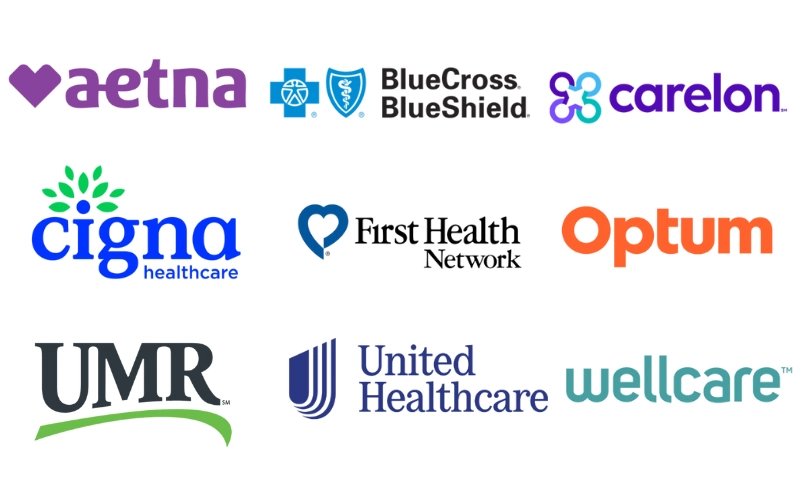
Several major insurance providers in Kentucky offer coverage for dual-diagnosis rehab, helping you address substance use and mental health conditions. Coverage may include inpatient and outpatient care, therapy, and medication-assisted treatment, though specifics depend on your provider and policy. Providers like Ambetter, Anthem Blue Cross Blue Shield (BCBS), and Molina Healthcare include dual-diagnosis services when medically necessary.
These plans typically cover therapy, counseling, relapse prevention education, and both inpatient and outpatient programs. Coverage details vary, so it’s important to verify your benefits with Neartown before beginning treatment.
How Much Does Dual-Diagnosis Treatment Cost Without Insurance Coverage in Kentucky?
If you’re seeking dual-diagnosis treatment in Kentucky without insurance, costs can vary depending on the program and level of care. For a 30-day program at a dual-diagnosis inpatient treatment center like Neartown, you can expect to pay $12,000 to $18,000. This price reflects comprehensive care that addresses your substance use and mental health conditions simultaneously.
During dual-diagnosis treatment, you’ll receive individualized therapy, dual-diagnosis counseling, and behavioral health support to treat co-occurring disorders. Programs often include relapse prevention planning and holistic recovery approaches to promote long-term stability. By investing in this level of care, you gain access to structured inpatient care, integrated treatment for comorbid conditions, and professional guidance that supports lasting dual-diagnosis recovery in Kentucky.

Long-Term Dual-Diagnosis Programs in Kentucky
Long-term dual-diagnosis programs in Kentucky provide extended care for substance addiction and mental health conditions. These programs offer structured treatment over several weeks or months, allowing you to address co-occurring disorders thoroughly. With options ranging from 30- to 180-day programs, long-term care emphasizes stability, relapse prevention, and holistic recovery for lasting dual-diagnosis wellness.
30-Day Dual-Diagnosis Programs
A 30-day dual-diagnosis program gives you a focused, intensive start to recovery. In this structured program, you receive therapy, counseling, and behavioral health support designed to manage co-occurring disorders. By dedicating a full month to treatment, you can begin building coping skills, relapse prevention strategies, and a foundation for lasting dual-diagnosis recovery.
60-Day Dual-Diagnosis Programs
A 60-day dual-diagnosis program allows you to deepen your recovery while addressing both mental health and substance use challenges. With more time for therapy and relapse prevention planning, you can explore underlying issues, strengthen coping skills, and practice new behaviors in a supportive environment. This extended care allows you to build lasting stability and a stronger foundation for long-term recovery.
90-Day Dual-Diagnosis Programs
A 90-day dual-diagnosis program gives you the time to tackle mental health and addiction challenges in a comprehensive, structured setting. With extended therapy and individualized counseling, you can uncover root causes, build resilience, and practice healthy coping skills. This program offers the stability and support needed to achieve meaningful, long-term recovery.
180-Day Dual-Diagnosis Programs
A 180-day dual-diagnosis residential treatment program provides you with intensive, long-term support to fully address both substance use and mental health conditions. Over 6 months, you can engage deeply in therapy, dual-diagnosis counseling, and holistic recovery practices. This extended care helps you build lasting coping skills, strengthen emotional resilience, and create a solid foundation for sustainable recovery.
Short-Term Dual-Diagnosis Programs in Kentucky
Short-term dual-diagnosis programs in Kentucky offer focused, intensive treatment for substance addictions and mental health disorders. If you need concentrated support without a long-term stay, these programs may be ideal. Options range from weekend programs to 21-day stays, giving you the tools to begin recovery and stabilize quickly.
Weekend Programs
Weekend dual-diagnosis programs give you the opportunity to jumpstart recovery in a condensed, intensive format. You’ll participate in therapy and counseling to address your substance use and mental health challenges. This short-term approach allows you to gain insight, develop coping strategies, and take meaningful steps toward managing co-occurring disorders without a long-term commitment.
3-Day, 5-Day, and 7-Day Programs
Three-day, 5-day, and 7-day dual-diagnosis programs give you a focused, intensive introduction to managing both substance use and mental health challenges. In just a few days, you can participate in therapy, counseling, and skill-building sessions that help you understand your co-occurring disorders, develop healthier habits, and gain strategies to maintain stability as you continue your recovery.
10-Day, 14-Day, 21-Day Programs
Ten-day, 14-day, and 21-day dual-diagnosis programs give you the chance to immerse yourself in structured care for mental health and substance use challenges. With targeted therapy, counseling, and guided skill development, you can identify triggers, build healthier habits, and gain the tools needed to manage co-occurring disorders effectively while laying the groundwork for continued recovery.
180-Day Dual-Diagnosis Programs
A 180-day dual-diagnosis residential treatment program provides you with intensive, long-term support to fully address both substance use and mental health conditions. Over 6 months, you can engage deeply in therapy, dual-diagnosis counseling, and holistic recovery practices. This extended care helps you build lasting coping skills, strengthen emotional resilience, and create a solid foundation for sustainable recovery.
Contact Our Expert Led Team
What Are the Signs and Symptoms of Co-Occurring Conditions?
Co-occurring conditions involve a mental health condition and a substance use disorder at the same time. Recognizing the symptoms early can help you understand when integrated treatment is necessary. By identifying patterns in behavior, mood, and physical health, you can take steps toward seeking comprehensive care for both aspects of a dual diagnosis.
- Mood Swings: You may notice abrupt changes in mood, including irritability, sadness, or heightened anxiety, that seem disproportionate to daily events.
- Changes in Behavior: Risky or impulsive actions, social withdrawal, or neglecting responsibilities can indicate underlying co-occurring disorders.
- Substance Cravings or Misuse: Frequent use of drugs or alcohol to cope with emotional distress is a key symptom.
- Disturbances to Sleep: Difficulty falling asleep or staying asleep, nightmares, or oversleeping may signal both mental health and substance use issues.
- Cognitive Difficulties: Trouble concentrating, memory lapses, or confusion can accompany coexisting conditions.
- Physical Health Changes: Unexplained weight loss, fatigue, or frequent illness may reflect the combined effects of mental health and substance use challenges.
What Is the Admissions Process for Dual-Diagnosis Programs at Neartown Recovery in Kirksey, Kentucky?
The admissions process at Neartown Recovery in Kirksey, Kentucky, is designed to help you start treatment for mental health conditions and substance use quickly and smoothly. From the first call, you’ll receive guidance and support to understand your options, explore available programs, and determine the level of care that best fits your needs.
Begin by contacting the admissions team at (270) 489-2594 and providing basic information about your situation and any insurance coverage. We will verify your benefits, discuss payment options, and answer your questions. Once you complete your assessment, we develop a personalized treatment plan involving dual-diagnosis therapy, counseling, and integrated care tailored to your recovery goals.
Substance Addiction and Mental Health Disorder Statistics and Info in Kentucky
In 2019, approximately 266,000 adults in Kentucky were reported to meet the criteria for substance use disorder, according to the Kentucky Chamber Center for Policy and Research.
NAMI reports that 43.6% of adults in Kentucky showed symptoms of anxiety or depression, yet 22.8% could not access the therapy they needed.
According to SAMHSA, 298 substance use treatment facilities in Kentucky treat co-occurring disorders.
The Kentucky Department for Behavioral Health, Developmental and Intellectual Disabilities reports that substance abuse affects nearly 50% of people with severe mental health disorders.
According to 2023 data from The Pew Charitable Trusts, only 10% of people who have co-occurring disorders received treatment for their conditions in the past year.
Licensed & Accredited Addiction Treatment