Meth Addiction Rehab Program in Kentucky
Neartown operates a men’s addiction treatment center in Kentucky that accepts both commercial insurance and Medicaid, giving you access to structured care in a supportive setting. You can enter a meth addiction treatment program that offers steady guidance as you begin focusing on your health and recovery.
Neartown provides meth addiction treatment in Kentucky through rehab services covered by insurance. You can address your addiction and receive support for dual diagnosis. Your care plan typically includes therapy aimed at long-term recovery and relapse prevention. Call (270) 489-2594 to learn more about treatment for meth addiction and schedule a free assessment.

Information About Western Kentucky
Western Kentucky offers small towns, scenic landscapes, and well-known outdoor attractions. You can spend time at Land Between the Lakes National Recreation Area, where hiking trails and wildlife viewing give you plenty to experience. You can also enjoy the Paducah riverfront, the National Quilt Museum, or peaceful countryside drives that bring you through communities like Kirksey.
As you travel, you discover historic sites, nature preserves, and family-friendly destinations that highlight the region’s character. You may walk through local museums, visit state parks, or enjoy art and cultural events that reflect Western Kentucky’s heritage. Each area offers its own pace and charm, allowing you to take in the scenery and explore places that feel welcoming and relaxed.
What Are Methamphetamines?
Methamphetamines are powerful stimulant drugs that affect your central nervous system, creating intense bursts of energy, alertness, and focus. You may notice increased heart rate, rapid breathing, and heightened wakefulness when using them. These substances are often produced illegally and can vary in strength and purity, making effects unpredictable.
Using meth can lead to short-term physical and mental changes. You may experience reduced appetite, heightened confidence, and increased activity, but also anxiety, irritability, or trouble sleeping. Over time, repeated use can affect your mood, memory, and overall wellbeing, and increase your meth tolerance. Methamphetamine use can also contribute to meth-related disorders that affect both your body and brain.

Reach Out Today to Get Help With Meth Addiction Recovery
Searching for a meth rehab program in Kentucky? Neartown Recovery offers compassionate, confidential treatment to support you in overcoming methamphetamine dependence and rebuilding your life. Complete our secure form, and our admissions team will promptly review your insurance, outline your treatment options, and arrange a free, no-pressure assessment.
Need immediate assistance? Call (270) 489-2594 today. Your information is always confidential and protected.


What Are Meth Addiction and MUD?
Meth addiction, or Methamphetamine Use Disorder (MUD), causes you to struggle to control your use of meth despite harmful consequences. You may find yourself craving the drug, using it more often than intended, or continuing use even when it negatively affects your relationships, health, or daily life.
You might notice meth addiction signs like intense meth cravings, changes in sleep or appetite, and mood swings. Over time, meth dependence can make it difficult to stop using without meth addiction counseling. MUD can also co-occur with other mental health or substance use disorders, increasing the complexity of your experience and highlighting the need to understand how meth affects both body and mind.
Drug Addiction Treatment Admissions
Signs and Symptoms of Methamphetamine Addiction
Methamphetamine addiction can have noticeable effects on your behavior and physical health. Recognizing meth addiction symptoms early helps you identify patterns of use, emotional changes, and physical signs that may indicate meth abuse. Understanding these meth addiction signs is an important step in addressing the effects of meth on your daily life and overall well-being.
- Increased Energy and Hyperactivity: You might notice unusual bursts of activity or restlessness that lasts for hours.
- Rapid Speech and Thought Patterns: Your conversations may become fast-paced, with thoughts jumping quickly from one topic to another.
- Decreased Appetite and Weight Loss: Meth use often suppresses hunger, leading to noticeable weight changes.
- Sleep Disturbances: You may struggle with insomnia or irregular sleep schedules.
- Mood Swings and Irritability: Meth misuse can cause sudden emotional changes, including aggression or agitation.
- Dental Problems (“Meth Mouth”): You might experience tooth decay or gum disease from prolonged use.
- Skin Sores or Itching: Frequent picking at the skin can result in visible sores or lesions.
What Are Some Withdrawal Symptoms from Meth Addiction?
Meth withdrawal symptoms are the physical and psychological effects you experience when you stop using meth after prolonged use. You may notice intense fatigue, strong meth cravings, and changes in mood as your body and brain adjust to the drug’s absence. These symptoms reflect the body’s dependence on meth and can vary in severity.
During withdrawal, you might experience depression, anxiety, and irritability, making daily functioning difficult. Sleep disturbances, including insomnia or excessive sleep, are common, as is increased appetite as your body tries to recover. You may also feel slowed thinking or a lack of motivation. Understanding these meth withdrawal symptoms allows you to anticipate challenges and recognize the need for support during early recovery.

What Is the Ideal Treatment Option for Methamphetamine Addiction?
The ideal meth addiction treatment combines structured care with personalized mental health support to address your physical and psychological needs. You benefit most from detoxification, therapy, and ongoing monitoring. You’ll manage meth cravings, withdrawal symptoms, and any meth-induced disorders safely and effectively.
In meth addiction rehabilitation, you may participate in cognitive-behavioral therapy, motivational interviewing, or other approaches that target meth addiction symptoms and meth misuse patterns. Programs often address co-occurring disorders, stabilizing your mental health while treating your substance abuse. Outpatient care, inpatient care, support groups, and aftercare planning support long-term recovery, meth relapse prevention, and the development of coping strategies for sustained sobriety.

What Is Meth Addiction Treatment in Kentucky?
Meth addiction treatment in Kentucky addresses your methamphetamine addiction safely and effectively. You can access care that combines evidence-based therapies and behavioral health support to manage cravings and withdrawal symptoms. Programs focus on helping you take back control of your life while addressing your physical and mental health needs.
Meth rehab centers in Kentucky, like Neartown, provide comprehensive services that may include inpatient care, outpatient care, cognitive-behavioral therapy, and support groups. You can also receive care for co-occurring disorders. These programs guide you through recovery, promote meth relapse prevention, and help you build long-term strategies for sobriety and wellness.
Statistics and Info on Methamphetamine Addiction in Kentucky
The meth addiction rate in Kentucky reflects a deeply rooted public health crisis. About 64,000 adults used meth in 2022 and 2023. Rural Appalachian communities show especially sharp increases; nearly 40% of participants in one long-term study reported recent meth use, with the odds of use increasing 700% over 12 years.
Between 2016 and 2018, meth-related overdose deaths climbed more than 60%, underscoring the drug’s growing impact. Families are also heavily affected, as children in homes investigated for neglect or abuse are more likely to have faced trauma tied to meth use. Together, these trends show a rapidly escalating statewide problem.
Methamphetamine Addiction Rehab Program in Kentucky
Neartown Recovery offers treatment for meth addiction in Kentucky at 1250 Old Soldiers Creek Road, Kirksey, KY 42054, to help you regain control over your life. You enter a supportive, structured environment where you can address methamphetamine use disorder and manage meth cravings. The program focuses on your physical and mental wellbeing while providing tools to navigate recovery successfully.
Neartown Recovery provides comprehensive meth addiction treatment through services like therapy, meth addiction counseling, and support groups. You can also explore options for dual-diagnosis care. Call (270) 489-2594 to learn more about insurance coverage and program details.
Locating a Methamphetamine Addiction Treatment Program in Kentucky
Finding a methamphetamine addiction treatment program in Kentucky can feel overwhelming, but understanding your options allows you to make informed choices. You can start by evaluating your needs, exploring available resources, and considering factors like therapy approaches, support services, and insurance coverage. Here are a few steps to get you started:
- Assess Your Needs: Identify the care level, therapy types, and support you require for meth dependence treatment.
- Search Online: Search online using terms like “meth rehab centers in Kentucky” to locate treatment programs near you and gather basic information.
- Online Directories: Check reputable rehab directories for program listings and contact details.
- Insurance Coverage: Determine which programs accept your insurance to manage costs.
- Verify Accreditation: Ensure the facility meets recognized standards for quality substance abuse care.
- Read Reviews: Look at patient testimonials to gauge experiences and outcomes.
- Contact Facilities: Reach out to Neartown to ask questions and clarify services.
- Visit the Facility: Touring the center lets you assess the environment and staff support.

Meth Addiction Treatment Program in Kentucky
Exploring a meth addiction rehab program in Kentucky can help you find the right level of care for your recovery. Understanding the different types of programs, from residential treatment to intensive outpatient care, allows you to choose an approach that fits your needs, lifestyle, and goals while addressing meth abuse, cravings, and your overall well-being.
Dual-Diagnosis for Methamphetamine Addiction and Mental Health
Dual-diagnosis treatment for methamphetamine addiction and mental health helps you address both conditions simultaneously. You receive care that targets meth withdrawal symptoms, cravings, and meth-related disorders while also managing conditions like depression or anxiety. This holistic approach supports long-term recovery.
IOP for Meth Addiction
In an Intensive Outpatient Program (IOP), you gain flexibility while still receiving structured care. IOPs let you address your addiction without the need for inpatient care. Therapy, support groups, and relapse prevention strategies fit around your daily life. This approach helps you rebuild routines, strengthen coping skills, and maintain progress toward sobriety while staying connected to your community.
PHP for Methamphetamine Addiction
Partial Hospitalization Programs (PHPs) provide intensive care for methamphetamine addiction while allowing you to live at home. Structured therapy, counseling, and daily support help you rebuild routines and improve mental health. By attending several hours of treatment each day, it’s possible to make meaningful progress in recovery while maintaining your work, family, and other daily responsibilities.
Detox for Meth Addiction
Starting meth addiction treatment may need to begin with detox to ensure a safe, monitored process. While Neartown doesn’t provide detox on-site, you’ll be referred to a trusted meth detox center in Kentucky. This will prepare you for rehabilitation, therapy, and long-term treatment for methamphetamine use disorder at Neartown.
Residential Program for Methamphetamine Addiction
A residential program provides a structured, supportive environment where recovery becomes your full-time focus. You live on-site, participate in therapy sessions, and connect with peers facing similar challenges. This consistent routine strengthens your coping skills, addresses methamphetamine addiction, and helps you build a foundation for lasting sobriety while removing distractions from everyday life.
What Medications Are Available for Meth Addiction?
Medications for meth addiction are limited but show encouraging results in research settings. You may benefit from treatments that target brain chemistry and reduce methamphetamine use. While no medication is formally approved specifically for meth addiction, certain options have demonstrated effectiveness in clinical trials, providing support alongside therapy and behavioral interventions.
Three double-blind, placebo-controlled trials using modafinil, bupropion, and naltrexone have shown positive outcomes in reducing amphetamine or methamphetamine use. Additionally, two studies exploring agonist replacement therapies — one with d-amphetamine and the other with methylphenidate — have also shown promise in helping manage methamphetamine use disorder. These medications are typically combined with counseling, therapy, and structured support, which helps you address meth misuse, develop coping skills, and work toward long-term recovery. While medication alone isn’t a cure, it can aid treatment for methamphetamine addiction and support your overall rehabilitation and sobriety goals.
Does Private Health Insurance Cover Meth Addiction Rehab in Kentucky?
Private health insurance in Kentucky often covers meth addiction rehab, though coverage can vary depending on your plan. Your policy may fully or partially cover inpatient care, outpatient programs, cognitive-behavioral therapy sessions, and support groups, making treatment more accessible. Understanding your insurance benefits allows you to make informed choices about your care.
When exploring treatment for meth addiction in Kentucky, it’s important to verify which services your insurance covers. Policies may also differ in terms of coverage for co-occurring disorders or specialized therapy approaches. Neartown can provide guidance on using your insurance for meth addiction treatment. Contact us to confirm your coverage details and learn about available programs.

Which Insurance Providers Offer Coverage for Meth Treatment Rehab in KY?
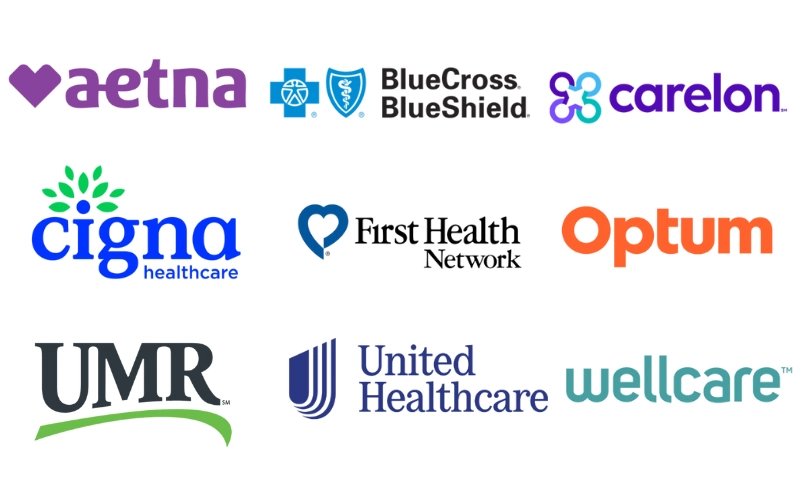
Accessing meth addiction treatment in Kentucky can be more manageable when your insurance covers care. You may find that major providers like Blue Cross Blue Shield (BCBS), Aetna, Cigna, and others include coverage for inpatient care, outpatient programs, and therapy services. Knowing your options can make planning treatment easier and reduce financial stress.
Coverage often extends to services at accredited meth rehab centers in Kentucky, like Neartown. Each plan differs in terms of copays, deductibles, and approved facilities. Verifying your benefits ahead of time ensures you can focus on recovery rather than costs. Understanding which providers support meth addiction rehab empowers you to choose a program that meets your treatment and insurance needs.
Neartown’s evidence based, person centered, twelve-step program fosters a strong, vibrant community that is essential to addiction recovery. Neartown’s dedicated staff can help guide you on a path you never dreamed possible and help you develop a firm footing for long-lasting recovery!
How Much Do Meth Addiction Programs Cost With Health Insurance Coverage In Kentucky?
The cost of meth addiction programs in Kentucky can vary depending on the program and services you choose. A 30-day residential program may range from $12,000 to $18,000, but insurance coverage can significantly reduce your out-of-pocket expenses. Understanding these factors allow you to plan financially for treatment.
Costs depend on the program type, duration, and any additional services required. Detoxification, if needed, can increase overall expenses, as it often requires specialized medical supervision. By using your health insurance, you may lower the cost of care, making meth addiction treatment in Kentucky more accessible and sustainable for your recovery.
Contact Our Expert Led Team
How Much Do Meth Treatment Programs Cost Without Health Insurance Coverage in KY?
Paying for meth treatment programs in Kentucky without insurance can feel overwhelming, but knowing the typical costs allows you to plan. If you’re paying privately, a 30-day residential program generally costs $12,000 to $18,000, though prices vary depending on the level of care, therapies offered, and amenities. Planning ahead lets you focus on recovery rather than financial surprises.
Additional services, like detoxification, can increase costs because medical supervision is often required during early recovery. Program type also affects pricing; residential stays usually cost more than outpatient programs. Understanding these factors lets you weigh options, prepare financially, and choose a program that supports your long-term sobriety and mental health goals.
What Is the Admissions Process for Meth Addiction in Kentucky?
Entering a meth addiction program at Neartown in Kentucky involves several steps designed to match you with the right level of care. You can expect a process that evaluates your physical health, mental health, and personal needs. Understanding the admissions process helps you feel prepared and confident as you begin your recovery.
- Initial Contact: Reach out to Neartown to ask questions, discuss your situation, and learn about available programs.
- Assessment: Complete an intake assessment to evaluate meth addiction severity, co-occurring disorders, and treatment needs.
- Insurance Verification: Confirm coverage and determine out-of-pocket costs if applicable.
- Program Recommendation: Staff suggest the level of care, such as residential or intensive outpatient, based on your needs.
- Enrollment Paperwork: Provide personal information, medical history, and consent forms required for treatment.
- Orientation: Receive an overview of rules, schedules, and expectations before starting the program.

Free and Confidential Assessments and Evaluations for Meth Addiction Treatment
Neartown Recovery offers free and confidential assessments and evaluations as part of the admissions process for meth addiction treatment. These complimentary services allow you to understand your needs, determine the most appropriate care level, and explore program options that fit your situation. The process is private, supportive, and guides you toward recovery.
During the assessment, staff review your medical history, mental health, and meth addiction severity index to develop a personalized treatment plan. You can discuss therapy approaches, dual-diagnosis care, and rehabilitation options in a safe environment. Contact us to schedule your evaluation and take the first step toward long-term sobriety.
What Is the Treatment Process at Neartown for Meth Abuse?
The treatment process for meth abuse at Neartown provides structured care while addressing your physical and mental health needs. You enter a supportive environment where therapy, counseling, and peer support help you focus on recovery. Each step is tailored to your situation, ensuring your care plan matches your goals and level of meth addiction severity.
- Assessment and Evaluation: You begin with a confidential intake to review your medical history, mental health, and meth addiction symptoms, helping staff create a personalized treatment plan.
- Therapy and Counseling: You participate in evidence-based approaches like cognitive-behavioral therapy to address meth misuse and develop coping skills.
- Dual-Diagnosis Support: If you have co-occurring disorders, your program integrates mental health care with addiction treatment.
- Structured Daily Programming: Your days include therapy sessions, support groups, and educational activities designed to help you build healthy routines.
- Aftercare Planning: You work on relapse prevention, receive ongoing support, and learn the skills needed for maintaining sobriety after leaving the program.
Statistics and Information on MUD and Meth Addiction in Kentucky
- There were an estimated 64,000 meth users 18 and older in Kentucky in 2022 and 2023, according to World Population Review.
- Methamphetamine accounted for 55.2% of overdose fatalities in Kentucky, according to the 2023 Kentucky Drug Overdose Fatality Report.
- Nearly 40% of rural Appalachian participants in a study on meth use by Appalachian Kentuckians with a history of opioid use reported meth use in the past 6 months, marking a 700% increase in methamphetamine use odds from 2008 to 2020, according to the journal Drug and Alcohol Dependence.
- Kentucky saw a 64.6% increase in meth overdose deaths from 2016 to 22018, Spectrum News 13 reported.
- Children in households investigated for neglect or abuse are more likely to have experienced trauma in families where methamphetamine use has occurred, according to the University of Kentucky.
Licensed & Accredited Addiction Treatment