Fentanyl Addiction Treatment Program in Kentucky
Neartown operates a men’s addiction treatment center in Kentucky that accepts commercial insurance and Medicaid. The program focuses on helping men overcome fentanyl addiction and other substance use disorders through structured therapy and personalized care plans designed to support long-term sobriety and emotional healing.
Neartown offers programs that address both substance abuse and dual diagnosis. With professional support for mental and behavioral health challenges, we take an integrated approach to recovery and relapse prevention. If you or someone you know is struggling with fentanyl addiction in Kentucky, call (270) 489-2594 to find out more about fentanyl addiction treatment in Kentucky and get started with a free drug addiction assessment today.
What Is Fentanyl?
Fentanyl is a synthetic opioid that’s used medically to treat severe pain, especially after surgery or in advanced cancer care. Fentanyl’s strength is up to 100 times than that of morphine, making it highly addictive and dangerous when misused. Illicitly manufactured fentanyl contributes to overdose deaths in Kentucky and across the U.S.
Even a small amount can cause life-threatening fentanyl addiction symptoms or fatal overdose. Understanding the risks, recognizing fentanyl addiction signs, and seeking timely fentanyl abuse treatment are essential steps toward safety and recovery. Specialized fentanyl rehab centers in Kentucky, like Neartown, help you begin therapy and rehabilitation for a healthier, drug-free future.
Touring and Exploring Western Kentucky
Western Kentucky offers a wealth of attractions that let you experience the region’s natural beauty and cultural heritage. You can explore peaceful lakes, scenic parks, and historic towns that reflect the area’s deep roots in southern history and tradition. Every corner offers something to discover and enjoy.
From the serene landscapes of Land Between the Lakes National Recreation Area to the historic charm of Paducah’s Riverfront and its renowned National Quilt Museum, there’s something for everyone. You can also visit Mammoth Cave National Park, take a stroll through charming downtown Murray, or enjoy local art and crafts in small community galleries. Touring Western Kentucky gives you endless opportunities for relaxation, recreation, and appreciation of its natural beauty.

Ready To Overcome Fentanyl Addiction? Get Help Today
Searching for fentanyl rehab in Kentucky? Neartown Recovery offers compassionate, confidential support to help you break free from fentanyl dependence. Complete our secure form, and our admissions team will quickly verify your insurance, explain treatment options, and schedule your free, no-obligation assessment.
Need immediate assistance? Call (270) 374-5406. Your information is always private and protected.

What Is Fentanyl Addiction and Use Disorder?
Fentanyl addiction and fentanyl use disorder occur when your body and mind become dependent on the drug, leading to uncontrollable cravings and compulsive use despite harmful consequences. Because fentanyl is so potent, dependence can develop quickly, making it one of the most dangerous opioids involved in substance abuse today.
If you experience fentanyl addiction symptoms such as withdrawal, mood changes, or a need for higher doses to feel relief, professional drug addiction treatment is essential. Through treatment for fentanyl addiction in Kentucky, you can safely begin long-term recovery. Comprehensive fentanyl addiction therapy, counseling, and support groups guide you toward rehabilitation, relapse prevention, and improved mental health.

Drug Addiction Treatment Admissions
What Are The Signs and Symptoms of Fentanyl Addiction?
Recognizing fentanyl addiction signs and symptoms early is crucial for getting the care you need. You may notice changes in your behavior, physical health, or daily routines that indicate your body and mind are becoming dependent on the drug. Being aware of these warning signs can guide you toward timely treatment and support.
- Intense Cravings: You may feel a strong urge to use fentanyl regularly, even when it interferes with your responsibilities.
- Physical Dependence: Your body can develop tolerance, requiring higher doses to achieve the same effects.
- Fentanyl Withdrawal Symptoms: Shaking, sweating, nausea, and anxiety can occur when you stop using fentanyl.
- Behavioral Changes: You might isolate yourself, lie about usage, or engage in risky behaviors to obtain the drug.
- Neglecting Responsibilities: Work, school, and family obligations may suffer as fentanyl use becomes a priority.

Withdrawal Symptoms from Fentanyl Addiction
Experiencing withdrawal from fentanyl can be overwhelming, but understanding what to expect lets you prepare and seek the right support. Fentanyl withdrawal symptoms affect your body and mind, making recovery challenging without guidance. Recognizing the signs early can improve your chances of a safer, more manageable detoxification and set the stage for lasting sobriety.
- Muscle Aches and Cramps: Intense discomfort in your muscles and joints is common, making movement painful and daily tasks difficult.
- Gastrointestinal Distress: Nausea, vomiting, and diarrhea often occur, leading to dehydration if not managed properly.
- Sleep Disturbances: Insomnia or restless sleep can intensify fatigue and irritability.
- Mood Swings and Anxiety: You may feel sudden irritability, panic, or depression as your brain adjusts without fentanyl.
- Sweating and Chills: Rapid temperature changes, shivering, and clammy skin are frequent physical signs during withdrawal.
What Is the Best Treatment for Fentanyl Addiction?
The best treatment for fentanyl addiction combines medically supervised detoxification with comprehensive therapy and ongoing support. You need programs that address the physical dependence and the behavioral health aspects of addiction, ensuring you can safely manage withdrawal symptoms while building skills for long-term sobriety.
Inpatient and outpatient programs provide effective fentanyl addiction treatment in Kentucky. Therapy options like cognitive-behavioral therapy and motivational interviewing help you understand triggers, develop coping skills, and prevent relapse. Dual-diagnosis treatment may also be necessary if you have co-occurring mental health conditions. By engaging in structured fentanyl addiction counseling, support groups, and aftercare planning, you can work toward lasting recovery.
What Is a Fentanyl Addiction Treatment Program in Kentucky?
A fentanyl addiction recovery program in Kentucky helps you safely overcome dependence on this powerful opioid. You will receive therapy and structured care that addresses the physical and psychological aspects of your addiction. Programs are tailored to your needs and promote lasting sobriety.
During inpatient or outpatient care, you can access cognitive-behavioral therapy, motivational interviewing, dual-diagnosis support, and aftercare planning to prevent relapse. By participating in therapy, counseling, and fentanyl addiction support groups, you build the tools necessary for overcoming fentanyl addiction. Contact us for more details about fentanyl addiction treatment in Kentucky.

Statistics and Info on Fentanyl Addiction and Treatment in Kentucky
Kentucky continues to face a severe opioid crisis, with data pointing to a growing public health emergency tied to the fentanyl addiction rate. In 2019, the state’s opioid dispensing rate reached 72.3 per 100 people, and the prevalence of Opioid Use Disorder (OUD) exceeded 5%, with the highest rates in eastern Appalachian counties.
Kentucky’s opioid-related death rate, nearly double the national average, underscores the crisis’s intensity. Fentanyl now plays a dominant role, contributing to 69% of overdose deaths by 2020, up from 29% in 2016. Despite these alarming trends, only 11% of emergency departments offer bridge programs to initiate buprenorphine treatment, indicating major gaps in access to timely care and fentanyl addiction treatment in Kentucky.
Fentanyl Addiction Rehab Program in Kentucky
Neartown Recovery, 1250 Old Soldiers Creek Road, Kirksey, KY 42054, offers a men-only fentanyl addiction rehab program in Kentucky, helping you safely overcome opioid dependence in a supportive environment. You’ll receive structured care tailored to guide you toward long-term recovery.
Neartown offers inpatient and outpatient care options, therapy, and dual-diagnosis treatment, if needed. You can also access counseling, support groups, and aftercare planning to prevent relapse and strengthen recovery. Call (270) 489-2594 today to learn more about insurance coverage and how Neartown Recovery can help you or a loved one become one of our fentanyl addiction recovery success stories.
Locating a Fentanyl Addiction Treatment Program in Western Kentucky
Finding fentanyl addiction rehabilitation options in Western Kentucky can feel overwhelming, but knowing how to start helps you take control of your recovery. You want to ensure the program meets your needs, offers quality care, and supports your long-term sobriety. Taking a structured approach makes it easier to find the right fit. Here are some steps to get you started:
- Assess Your Needs: Identify your requirements, such as outpatient or inpatient care, dual-diagnosis support, or medication-assisted treatment.
- Search Online: Look for fentanyl rehab centers in Kentucky using search terms like “fentanyl addiction rehab centers near me” or “fentanyl addiction treatment facilities in Western Kentucky.”
- Online Directories: Use reputable addiction treatment directories to compare facilities and services.
- Insurance Coverage: Check whether programs accept your insurance to reduce out-of-pocket costs.
- Verify Accreditation: Ensure the facility you’re considering is accredited and follows recognized standards of care.
- Read Reviews: Patient testimonials and reviews provide insight into the quality of treatment.
- Contact Facilities: Contact Neartown and ask questions about our fentanyl addiction recovery programs, staff, and treatment approaches.
- Visit the Facility: Touring the center helps you assess the environment, amenities, and support available.

Fentanyl Addiction Programs in Kentucky
Fentanyl rehab centers in Kentucky, like Neartown, provide structured care to help you safely overcome your addiction. These programs combine medical support, therapy, and behavioral health services to address physical and psychological aspects of addiction. Understanding the different types of programs available allows you to choose the right approach for your recovery.
Detox for Fentanyl Addiction
Before beginning rehab at Neartown, you’ll need to complete a medically supervised detox for fentanyl addiction. Neartown does not provide fentanyl detox programs, but you will be referred to a specialized fentanyl detox center in Kentucky, where you can safely manage your withdrawal symptoms. Once you complete detox, you can continue your recovery through Neartown’s structured rehab programs.
Residential Program for Fentanyl Addiction
If you’re looking for intensive support to overcome fentanyl addiction, a residential program immerses you in a structured, drug-free environment where your sobriety is the top priority. You’ll receive 24/7 care, personalized therapy, and access to support groups, helping you build coping skills, address behavioral health needs, and focus entirely on sobriety without outside distractions.
IOP for Fentanyl Addiction
An Intensive Outpatient Program (IOP) for fentanyl addiction intervention provides structured therapy and counseling while allowing you to maintain daily responsibilities. You’ll participate in regular sessions, access dual-diagnosis support, if needed, and join support groups. This approach helps you develop coping skills, manage triggers, and reinforce your sobriety, all while continuing life outside a residential setting.
PHP for Fentanyl Addiction
A Partial Hospitalization Program (PHP) for fentanyl addiction offers an intensive treatment experience without requiring you to stay overnight. You’ll receive daily therapy, medical monitoring, and behavioral health support, allowing you to address cravings and triggers effectively. With structured sessions and access to other fentanyl addiction recovery resources, PHPs strengthen your recovery while allowing you to return home each day.
Dual-Diagnosis Program for Fentanyl Addiction and Mental Health
A dual-diagnosis program for fentanyl addiction addresses substance use and underlying mental health conditions. You’ll receive integrated therapy that tackles anxiety, depression, or other behavioral health challenges while managing addiction. By combining counseling, medication support, and coping strategies, this program helps you achieve balanced mental wellness and strengthens your ability to maintain long-term recovery.
What Medications Are Available for Fentanyl Addiction?
Several medications can help you manage fentanyl addiction by reducing cravings, easing withdrawal symptoms, and supporting long-term recovery. Medications like buprenorphine, methadone, and naltrexone are commonly used in medically supervised treatment programs to stabilize your condition and help you regain control over your life. Choosing the right medication depends on your needs and fentanyl abuse treatment plan.
Buprenorphine reduces your withdrawal symptoms and cravings by partially activating opioid receptors, making it easier to transition away from fentanyl. Methadone is a long-acting opioid that stabilizes your body and mind while preventing withdrawal. Naltrexone blocks the effects of opioids so you can avoid relapse once detoxification is complete. These medications are most effective when combined with fentanyl addiction therapy, counseling, and support groups for comprehensive recovery.
Does Health Insurance Cover Fentanyl Addiction Rehab in Kentucky?
Yes, health insurance often covers treatment at fentanyl rehab centers in Kentucky, like Neartown, but coverage depends on several factors. Check whether your policy includes substance use disorder treatment, dual diagnosis care, and inpatient or outpatient services. Under federal law, many insurance plans must cover treatment for substance abuse and behavioral health.
The Kentucky Medicaid program also covers a variety of treatment levels, provided the facility is enrolled and services are medically necessary. Reach out to Neartown before starting treatment to determine coverage, in‑network status, copays, prior authorizations, and whether we accept your plan.
Which Insurance Providers Offer Coverage for Fentanyl Treatment Programs in Kentucky?
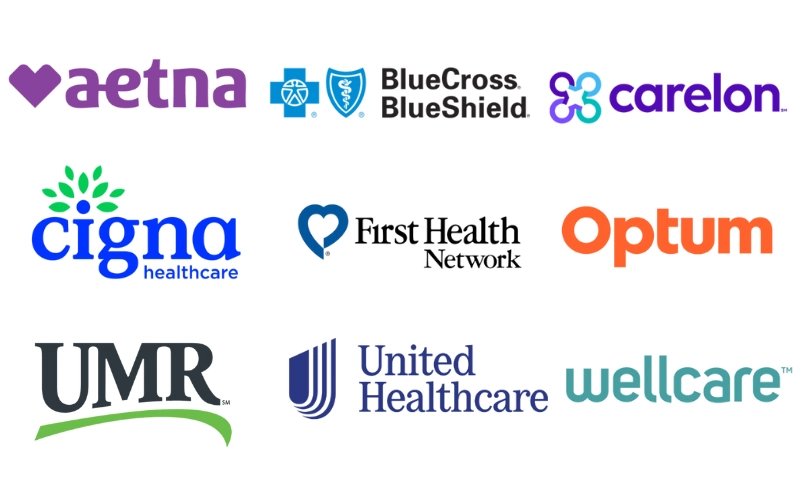
Many major health insurance providers cover fentanyl addiction recovery programs in Kentucky. Companies like Aetna, Blue Cross Blue Shield (BCBS), Cigna, and UnitedHealthcare include benefits for substance use disorder services, including inpatient care, outpatient programs, and therapy. Coverage reduces out-of-pocket costs and makes accessing professional care more feasible.
It’s important to confirm the specifics of your plan, such as copays and prior authorizations. By verifying coverage beforehand, you can focus on your recovery with confidence, knowing your insurance supports your access to comprehensive fentanyl addiction rehab, counseling, and aftercare services tailored to your needs.
Neartown’s evidence based, person centered, twelve-step program fosters a strong, vibrant community that is essential to addiction recovery. Neartown’s dedicated staff can help guide you on a path you never dreamed possible and help you develop a firm footing for long-lasting recovery!
How Much Do Fentanyl Addiction Rehab Programs Cost in Kentucky With Health Insurance Coverage?
With health insurance coverage, the cost of fentanyl addiction rehab programs in Kentucky can be significantly reduced, though it still varies depending on the level of care, facility, and your specific plan. For a 30-day residential program, you might expect total costs ranging from $12,000 to $18,000, but your out-of-pocket rehab expenses could be much lower with coverage.
Factors like outpatient versus inpatient care, therapy options, and the inclusion of other fentanyl addiction recovery resources and services all influence the final cost. Copays, deductibles, and plan limits also affect what you pay. By confirming coverage with Neartown, you can better understand your financial responsibility while accessing professional fentanyl addiction intervention programs.
Contact Our Expert Led Team
How Much Do Fentanyl Addiction Rehab Programs Cost in Kentucky Without Insurance Coverage?
Paying for fentanyl addiction rehab in Kentucky without insurance can feel daunting, but understanding the typical costs allows you to plan effectively. A 30-day residential program generally ranges from $12,000 to $18,000, though the exact price depends on the facility, services included, and intensity of care.
Factors like therapy options and additional amenities can raise or lower the cost. Intensive outpatient programs may be more affordable alternatives. While the price may seem high, investing in professional care provides medical supervision, structured therapy, and relapse prevention education that greatly increase your chances of lasting recovery. Planning ahead ensures you can access the support you need for overcoming fentanyl addiction.
Admissions Process for Fentanyl Addiction in Kentucky
Starting your recovery from fentanyl addiction in Kentucky begins with a structured admissions process designed to support you from the very first step. You’ll move through several essential stages that assess your needs, verify treatment options, and prepare you for care. Each stage ensures your program fits your personal and medical circumstances.
- Initial Inquiry and Consultation: You’ll reach out to discuss your situation, learn about available programs, and ask questions about the treatment process.
- Assessment and Evaluation: A professional will review your substance use history, physical health, fentanyl addiction symptoms, and mental well-being to determine the right level of care.
- Insurance Verification or Payment Planning: Staff will verify your insurance coverage or explore self-pay options to make treatment accessible.
- Personalized Treatment Planning: Your care team designs a program that addresses your recovery goals and medical needs.
- Admission and Orientation: Once approved, you’ll complete paperwork, receive an overview of your program, and begin your path toward recovery.

Free and Confidential Assessments for Fentanyl Addiction
At Neartown Recovery, you can receive a free and confidential assessment as part of the fentanyl addiction admissions process. This complimentary service gives you a private and supportive space to discuss your history, fentanyl addiction symptoms, and treatment goals with trained professionals who understand your situation. It’s the first step toward building a plan tailored to your recovery.
During your assessment, specialists review your medical background, substance use patterns, and emotional health to identify the most appropriate level of care. This evaluation ensures you’re matched with a program that meets your needs. Every conversation is protected, judgment-free, and designed to help you move forward confidently. Contact us today to get started with your free assessment.
What Is the Treatment Process at Neartown Recovery for Fentanyl Abuse?
At Neartown Recovery, you can expect a structured and compassionate treatment process designed to address every aspect of fentanyl abuse. Each stage focuses on your physical, emotional, and psychological well-being, helping you rebuild stability and resilience. The approach integrates evidence-based care with ongoing support, ensuring your recovery feels personal, guided, and sustainable.
- Initial Evaluation: Your treatment begins with an in-depth assessment to understand your medical history, patterns of substance use, and recovery goals.
- Medical Detoxification: Licensed professionals monitor and manage withdrawal symptoms so you can safely cleanse your body of fentanyl.
- Individual and Group Therapy: Therapy sessions address behavioral triggers, emotional challenges, and relapse prevention.
- Aftercare Planning: Long-term recovery plans include fentanyl addiction counseling, peer support, and continued guidance to maintain progress.
Statistics and Information on Fentanyl Addiction in Kentucky
- The opioid dispensing rate in Kentucky was 72.3 per 100 people in 2019, according to amFAR.
- The estimated Opioid Use Disorder (OUD) prevalence across Kentucky was 5.5% in 2018 and 5.9% in 2019, with county rates varying from 1.3% to 17.7%, according to a study in the journal Drug and Alcohol Dependence. As anticipated, the highest OUD rates were found in the Appalachian counties in the eastern region of the state.
- The Kentucky Opioid Assistance and Resource Hotline reports that the state’s opioid-related death rate is 27.9 per 100,000 residents, nearly twice the U.S. average.
- The share of overdose deaths among Kentucky residents involving fentanyl rose sharply from 29% in 2016 to 69% in 2020, according to the University of Kentucky’s Kentucky Injury Prevention and Research Center.
- A 2023 study published in Addiction Science and Clinical Practice found that just 11% of emergency departments in Kentucky had active bridge programs to start patients with opioid use disorder on buprenorphine.
Licensed & Accredited Addiction Treatment